
At Good Company Disability Services, we believe everyone deserves the opportunity to contribute to their community and earn an income in a way that aligns with their strengths, passions, and vision. Through our Microenterprise Development Program, we support NDIS participants to explore self-employment and create small businesses that are sustainable, meaningful, and truly theirs.
Whether you’re a creative artist, a problem-solver, a dog lover, a baker, a mechanic—or someone still figuring that out—we’ll walk alongside you as you build a business around what you love.
Can the NDIS fund your business? Read our free guide, Can the NDIS fund a microenterprise?, to see what funding can and can’t pay for.
Online Microenterprise Mentoring
Running your own microenterprise is exciting, and the skills and confidence it takes grow with practice. Our online microenterprise mentoring connects you with experienced mentors in flexible, one-on-one online sessions. Together you build the work skills you need because of your disability: planning your week, keeping routines, talking with customers, handling money and making decisions with confidence.
Whether you’re working out your next step or getting stuck on a task, your mentor helps you practise and grow, so you can do more of it on your own over time.
What We Offer
Personalised mentoring built around your goals and the stage you’re at
Practical skill-building: routines, talking with customers, handling money and following through
Problem-solving and decision-making support to help you move forward with confidence
Flexible, online hourly sessions to suit your schedule
How it’s funded: where it’s reasonable and necessary, the NDIS may fund disability-related support to help you work, including in your own business. The NDIS does not fund business development costs, business skills development costs, company registration, bookkeeping or accounting. Talk to your planner about what fits your plan, or read our guide Can the NDIS fund a microenterprise?
We’re committed to helping people build the confidence and skills to run purpose-driven enterprises their way. Every session is supportive, practical and aligned with best practice.
What is a Microenterprise?
A microenterprise is a small-scale, usually sole-operator business with low start-up costs and flexible operations. It’s ideal for people with disability who want to:
Earn their own income
Work on their own terms
Showcase talents and build confidence
Engage with their local community
Experience the satisfaction of independence
Microenterprises come in all forms—craft stalls, dog-washing services, YouTube channels, home baking, gardening, social media management, handmade jewellery, and much more. At Good Company Disability Services, we support NDIS participants in Melbourne and Perth to explore, establish, and grow their own microenterprises. Our person-centered approach ensures that each business venture is tailored to the individual’s goals, skills, and support needs.
Microenterprise Examples
Here are just a few examples of existing Microenterprise types:
Business Type
Description
Handmade Products
Soaps, candles, art, woodwork, jewellery
Good to know
Making and selling your own products. Your profit is the price, minus materials, packaging, market or platform fees, and the value of your time.
- 1.8 millionAustralian businesses have no employees, so starting on your own is normal
- Ingredient listmust be shown on soaps, creams and other cosmetics you sell
Ask yourself: Time one batch from start to finish before you set your price.
Source: ABS, Counts of Australian Businesses (June 2026); ACCC Product Safety, cosmetics ingredients labelling
Pet Services
Dog walking, pet treats, pet sitting
Good to know
Caring for other people’s pets: walking, home visits or pet sitting. Trust is everything, so reviews, checks and insurance help you win clients.
- 73%of Australian homes have a pet
- 49%of homes have a dog, up from 40% in 2019
- 5,705pet sitting businesses, growing about 12% a year, so stand out locally
Ask yourself: Which suburbs can you get to easily, a few times a week?
Source: Animal Medicines Australia, Pets in Australia (2025); IBISWorld, Pet Sitting Services in Australia (2025)
Social Media Content Creation
YouTube, TikTok, Instagram micro-businesses
Good to know
Making videos, photos or posts and earning from ads, brand deals or your own products. It is cheap to start but slow to grow: the audience comes before the income.
- 6 millionAustralians create content online, about 23% of people
- 48%of them earn money from it, so about half don’t
Ask yourself: Could you post every week for six months before it pays?
Source: Adobe, Future of Creativity study, Australian results (2022)
Food and Hospitality
Home-baked goods, catering, mobile coffee
Good to know
Selling food you make, like baking, catering or coffee. Food rules keep your customers safe, so check them with your council before your first sale.
- Council firsttell your local council before you start selling food made at home
- 5°C or 60°Ckeep food cold at 5°C or below, or hot at 60°C or above
Ask yourself: Start with a short menu you can make safely, the same way every time.
Source: Food Standards Australia New Zealand, home-based food businesses
Outdoor and Garden Services
Lawn mowing, veggie growing, flower sales
Good to know
Mowing, weeding, growing and selling plants. The work is outdoors and physical, and it is often busiest in spring and summer.
- $4.4 billionspent on gardening services in Australia each year
- 18,362gardening businesses, up about 6% a year. It is easy to start, so being reliable sets you apart
Ask yourself: What equipment do you need, and how will you get it to each job?
Source: IBISWorld, Gardening Services in Australia (2026)
Tech and Online Services
Web design, digital art, podcasting
Good to know
Building websites, digital art, podcasts or videos for other people. You can work from home and choose your hours, but clients expect clear deadlines.
- $563average freelance day rate for creative and marketing work
- $364average day rate for junior freelancers, so experience grows what you can charge
Ask yourself: Make two or three sample pieces that show what you can do.
Source: &FRIENDS, Freelance Rate Guide (2023)
Community-Based Services
Letterbox drops, errands, peer mentoring
Good to know
Helping people near you with letterbox drops, errands or peer mentoring. These businesses run on relationships and turning up when you say you will.
- 4.2 millionAustralians are aged 65 or over, about 16% of people, and many value help with errands
- 21–23%of Australians are expected to be 65 or over by 2066
Ask yourself: Who in your community already asks you for help?
Source: AIHW, Older Australia at a glance (2020 data and projections)
Across Australia, about half of new one-person businesses are still trading four years later. Testing your idea in a small way first is a sensible way to begin. Source: ABS business entries and exits, as reported for 2021–22
Every microenterprise is unique—just like the person behind it.

“Success isn’t always about making money. It’s about creating something that gives you purpose, connection, and pride in what you do.”
⚖️ Weighing the Benefit against the Cost
Starting a microenterprise is an exciting step—but it’s natural to wonder whether the effort and investment are worth it. At Good Company, we help participants weigh the benefits against the potential costs in a supportive and informed way.
✅ The Benefits
- Personal Fulfilment Doing meaningful work that aligns with your passions can build confidence, purpose, and identity.
- Increased Independence Running your own business allows you to make decisions, manage your time, and take charge of your goals.
- Flexible Income Opportunities Microenterprises can generate income in ways that suit your lifestyle and capacity.
- Skills Development Learn real-world skills such as budgeting, communication, customer service, and problem-solving.
- Community Inclusion Engaging with customers and suppliers can grow social networks and community connections.
💰 The Costs (and how we help minimise them)
- Time and Energy Starting a business takes commitment. We help you plan at a pace that works for you.
- Financial Costs Most microenterprises begin with low-cost, low-risk strategies. We guide you to test small before you invest more.
- Administrative Tasks Registrations, insurance, and record-keeping can be new. We simplify the process step by step.
- Uncertainty Not all businesses succeed right away. That’s why we focus on learning, adapting, and building resilience.
Try it yourself
Balance your business idea
Pick an example business, then slide each benefit and cost to show how big it feels to you. Switch on mentor support and watch the scales move.
A thinking tool to start a conversation with your mentor, not financial advice.
Our Focus: Low-Risk, High-Value
At Good Company, our approach is to start small, stay supported, and scale slowly. That means:
Helping you explore and trial ideas before investing heavily
Encouraging use of existing resources and natural supports
Offering ongoing mentoring to adjust your path as needed
Your microenterprise doesn’t need to be big to be meaningful. We’re here to help you get the most benefit—with minimal risk.
How We Support Your Microenterprise Journey
Minimised Risk
We prioritise no and low-cost methods to minimise your risk and increase your returns.
Experience
Leverage the team’s experience with direct guidance and support from business owners as you work with your Mentor.
Transparency
Be equipped with information and resources to set realistic goals and make informed decisions about your small business.
Tailored Approach
Whether you’re just starting out with a small business idea, or you have an established business, guidance is personalised to the stage in your journey.
Step by step
From first idea to your first customers
1
Discover Your Strengths
We start with getting to know you. What excites you? What skills or hobbies do you already have? What kind of support do you need?
Our discovery sessions are relaxed and inclusive, with a strong focus on building a business idea around who you are—not just what’s profitable.
2
Explore Business Ideas
We help you explore business options based on your strengths, interests, and available resources. Together, we develop a shortlist of ideas that match your goals and lifestyle.
3
Feasibility and Planning
Is the idea realistic, accessible, and marketable? We guide you through simple planning steps:
Product or service development
Pricing and costing
Branding and marketing
Legal and safety considerations
Equipment or training you might need
4
Start Small and Grow Slowly
We believe in testing ideas with low cost and low risk. This could mean starting with a single product or a pop-up stall before expanding.
5
Ongoing Mentoring and Support
Our experienced mentors and business coaches continue supporting you after launch with:
Regular check-ins
Skills development
Marketing assistance
Troubleshooting challenges
Celebrating milestones!
Our Approach to Microenterprise For Disabled Persons
Learn at your own pace and be guided through each stage of the micro enterprise framework. At each stage, your mentor will ensure that you are equipped with the right information, tools and resources to inform your decisions. You’ll benefit from the knowledge and experience of real business owners in a team-based approach – giving you the best possible chance at success!
Discovery
1. Discover Your Strengths and Explore Business Ideas
We start with getting to know you. What excites you? What skills or hobbies do you already have? What kind of support do you need? Our discovery sessions are relaxed and inclusive, with a strong focus on building a business idea around who you are—not just what’s profitable.
We help you explore business options based on your strengths, interests, and available resources. Together, we develop a shortlist of ideas that match your goals and lifestyle.
Feasibility & Planning
2. Feasibility and Planning
Is the idea realistic, accessible, and marketable? We guide you through simple planning steps:
Product or service development
Pricing and costing
Branding and marketing
Legal and safety considerations
Equipment or training you might need
Start Small and Grow Slowly
3. Start Small and Grow Slowly
We believe in testing ideas with low cost and low risk. This could mean starting with a single product or a pop-up stall before expanding.
Development
4. Ongoing Mentoring and Support
Our experienced mentors and business coaches continue supporting you after launch with:
Regular check-ins
Skills development
Marketing assistance
Troubleshooting challenges
Celebrating milestones!
Why Choose Good Company for Microenterprise Support?
Personalised Mentorship
Our mentors are experienced business owners who provide tailored guidance based on your unique needs and goals.
Risk Minimisation
We focus on low-cost strategies to reduce financial risk and enhance the sustainability of your business.
Transparent Processes
We equip you with the knowledge and resources to make informed decisions throughout your business journey.
Flexible Support
Whether you’re at the idea stage or looking to expand an existing business, our support adapts to your current phase.
Mentors who run businesses themselves
Our founders run several small businesses alongside Good Company, from a digital agency to a coaching practice and an online store. The advice you get comes from doing it, not just reading about it.

Pooch n' Pounce by Jodie
This is Jodie's Story
Jodie has always loved animals and already ran a small pet sitting service in her community. With support from Good Company, she has been able to build her business further.
We worked with Jodie to create a website and redesign her logo and branding. Jodie is proud of the growth she has achieved and is excited about the opportunities ahead. We continue to work with Jodie developing her business resources to reach new clients, implement simple systems to manage bookings, and explore new ways to develop her online presence.
Jodie
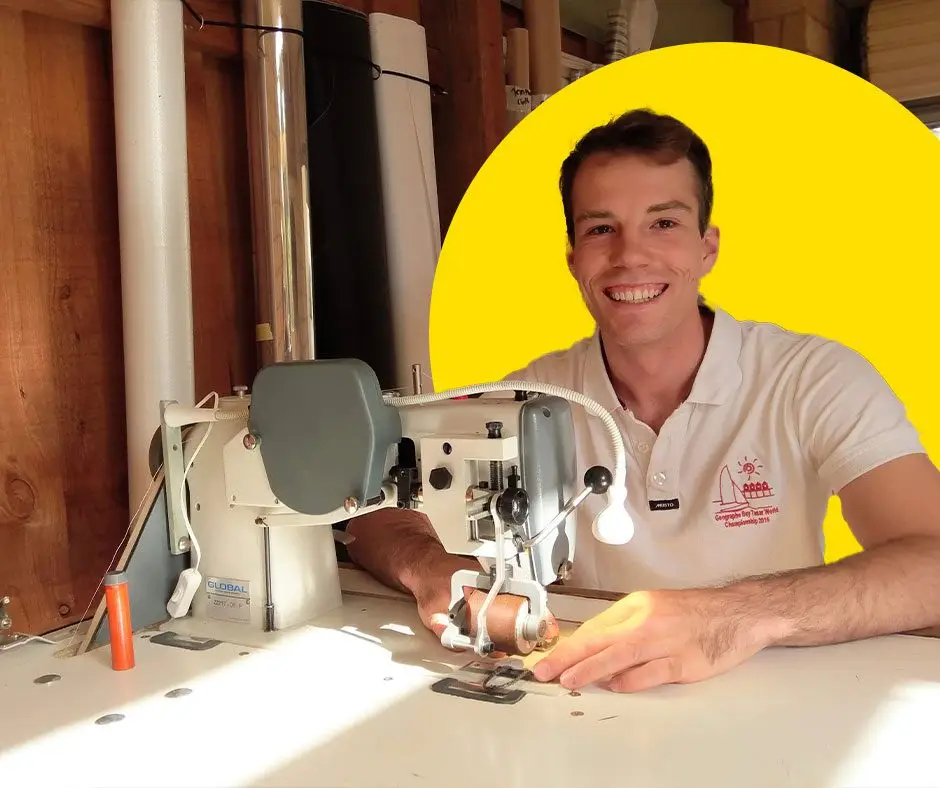
This is Niko's Story
Niko, an NDIS participant passionate about sailing, collaborated with Good Company to develop his microenterprise specialising in high-quality sailing equipment and accessories. Through personalized mentoring and support, Niko streamlined his business processes, accommodated his disability, and achieved strategic growth.
“With guidance from Good Company’s team, I am making good progress on structuring my business to thrive whilst accommodating my disability.”
Niko
What participants and families say
Free download
Free Resource
Download your copy of the Good Company Micro Enterprise Handbook.
Our refined, easy-to-read guide outlines powerful tools, resources and processes that have helped many business owners to establish and grow their businesses.
NDIS Funding for Microenterprise Support
The National Disability Insurance Scheme (NDIS) recognises microenterprise as a valid and rewarding pathway to employment. Participants can utilise their NDIS funding to access supports that assist in:
Exploring business ideas and interests
Developing business and marketing plans
Acquiring necessary skills and training
Purchasing equipment or assistive technology
Receiving ongoing mentorship and support
Good Company’s Microenterprise Support is fundable under the NDIS, especially within the following categories:
Capacity Building: Increased Social and Community Participation
Core: Assistance with Social and Community Participation
School Leaver Employment Supports (SLES) – if you’re aged 15–22
Finding and Keeping a Job – for longer-term self-employment support
We work closely with participants, families, and support coordinators to align mentoring and supports with NDIS goals and budgets. For more information on how NDIS funding can support your microenterprise, you can speak with your Support Coordinator or refer to the NDIS guidelines on employment supports.
Not sure what’s in your plan? We’ll help you navigate it with confidence.
Please note: The line items referenced above are accurate according to the NDIS Pricing Arrangements and Price Limits in effect at the time of publication. However, the National Disability Insurance Agency (NDIA) may update or modify line items or pricing structures at any time. This is intended for informational purposes only and we recommend confirming current pricing arrangements with your support coordinator or plan manager.
Available near you
Find this support in your city
Microenterprise FAQ
What is Microenterprise support under the NDIS?
Microenterprise support focuses on helping participants explore and develop small business or self-employment ideas. The emphasis is on building practical skills, confidence and understanding of what is involved in running a small business.
Who is Microenterprise support suitable for?
Microenterprise support may be suitable for participants who have a business idea, creative skill, trade or interest they would like to develop into a small income-generating activity. Supports are tailored to the individual’s goals, capacity and readiness.
Does Microenterprise support guarantee income or business success?
No. Microenterprise support focuses on building skills, planning and confidence. It does not guarantee income or business outcomes. The goal is to strengthen the participant’s understanding of business processes and increase independence in decision-making.
What kinds of businesses can be explored?
Participants may explore small-scale ventures such as creative products, online services, local services, digital businesses or hobby-based enterprises. The suitability of an idea depends on the participant’s goals, strengths and support needs.
Can Microenterprise support help with writing a business plan?
Yes. Support may include structured guidance to outline goals, identify potential customers, consider pricing and understand basic planning steps. The focus is on helping the participant understand the process rather than completing documents on their behalf.
Does Microenterprise support include help with budgeting and pricing?
Support may include basic discussions about pricing, budgeting and understanding expenses. Participants may be encouraged to seek independent financial or legal advice where specialised expertise is required.
Can Microenterprise support assist with online businesses?
Yes. Participants can explore digital business ideas, including online services or product sales. Support may include building digital skills, understanding online platforms and developing professional communication skills.
What NDIS funding category does Microenterprise support fall under?
Microenterprise support is typically aligned with Capacity Building funding, particularly supports related to finding and keeping a job. Participants should confirm funding alignment with their support coordinator or plan manager.
Is Microenterprise support personalised?
Yes. Supports are based on the participant’s goals, interests, strengths and support needs. The approach is collaborative and paced appropriately to build confidence and practical understanding over time.
Further reading
All articles- ArticleWhat Is Microenterprise Support and Is It Right for You?Starting a small business with NDIS support.Read article
- ArticleTop Skills to Build with NDIS Employment SupportThe work skills that make the biggest difference.Read article
- ArticleNDIS Goals Examples: 32 Goals You Can Adapt for Your PlanReal examples for daily life, work, study and community.Read article
Get in touch
Send us a message
Tell us a little about what you’re looking for and our team will get back to you. Prefer to talk? Call us on 08 9334 6995.
We only use your details to reply to you. See our privacy policy.